
Reflex Games
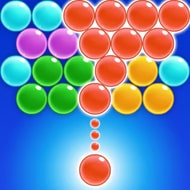

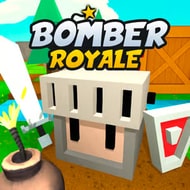






Reflex Games are designed to challenge the speed, coordination, and focus of players in ways that keep the mind active and the body engaged. Each task within these games requires a combination of quick thinking and precise action, providing a stimulating experience that rewards attentiveness and timing. Players often find that their reactions improve as they engage more, making each session both enjoyable and beneficial for mental agility.
Core Elements of Reflex Games
At the heart of every Reflex Game is the emphasis on rapid response and decision-making. Key components include:
- Immediate reaction: Responding accurately to sudden changes or cues is central to gameplay.
- Focus under pressure: Maintaining concentration ensures correct responses in fast-moving scenarios.
- Coordination: Synchronizing visual input with precise physical actions improves efficiency and success.
- Adaptability: Adjusting strategies based on unexpected developments is often necessary for progression.
Varieties of Reflex Challenges
Reflex Games are diverse, offering numerous types of challenges that test different aspects of response skills:
- Speed tests: Players react to visual or auditory signals as quickly as possible to achieve high scores.
- Precision exercises: Tasks demand exact timing or careful control to complete sequences accurately.
- Obstacle courses: Navigating moving or static obstacles strengthens attention and multitasking abilities.
- Pattern identification: Recognizing sequences and anticipating next moves enhances predictive skills.
- Memory integration: Some challenges combine reflexes with short-term memory tasks, requiring quick recall.
How Reflex Games Benefit Players
Engaging with Reflex Games provides tangible advantages beyond entertainment. The benefits include:
- Faster reaction speed: Repeated exposure to rapid tasks trains the nervous system for quicker responses.
- Improved mental focus: Concentrating on continuous, fast-paced tasks develops sharper attention spans.
- Enhanced hand-eye coordination: Synchronizing visual cues with immediate actions increases precision in movements.
- Better decision-making: Constant quick decisions improve the ability to think clearly under time constraints.
- Stress resilience: Performing well in high-pressure situations helps manage stress in everyday contexts.
Techniques for Excelling in Reflex Games
Reflex Games often require strategic approaches for consistent improvement. Effective methods include:
- Anticipatory focus: Predicting events reduces reaction times and improves outcomes.
- Incremental challenge: Gradually increasing difficulty helps develop skill without causing frustration.
- Controlled speed: Prioritizing precise movements over pure speed prevents errors and improves scores.
- Scheduled practice: Regular, focused sessions ensure continual development of reflex abilities.
- Rest intervals: Short breaks prevent fatigue and sustain performance over longer gameplay periods.
Common Formats in Reflex Games
The diversity of Reflex Games provides experiences suited for multiple types of challenges:
- Tapping sequences: Rapidly hitting specific targets enhances speed and coordination.
- Timing-based challenges: Completing actions within narrow windows emphasizes precision.
- Navigation obstacles: Avoiding hazards while moving quickly improves multitasking skills.
- Reaction puzzles: Identifying correct responses amid distractions strengthens focus.
- Mixed-skill tasks: Combining reflexes with memory, pattern recognition, or strategy creates complex engagement.
Developing Long-Term Reflex Skills
Continuous engagement with Reflex Games contributes to sustained improvements in various cognitive and motor functions. Recommended approaches include:
- Varied challenges: Rotating between different types of tasks ensures broader skill development.
- Progress monitoring: Keeping track of performance highlights areas needing improvement.
- Warm-up routines: Preparing physically and mentally before intense sequences enhances response speed.
- Focus training: Practicing concentration techniques, such as eliminating distractions, improves consistency.
- Goal setting: Establishing performance targets motivates players to refine reflexes systematically.
Practical Applications Beyond Games
Skills developed through Reflex Games extend beyond recreational play. They can improve performance in everyday tasks and professional contexts, such as:
- Sports and athletics: Faster reflexes contribute to better reaction times and coordination in physical activities.
- Work efficiency: Quick decision-making and focus improve productivity in time-sensitive tasks.
- Driving and navigation: Enhanced reflexes support safer and more responsive reactions in traffic situations.
- Problem-solving: Rapid assessment of changing scenarios aids strategic thinking in dynamic environments.
Advanced Strategies for Competitive Play
For players seeking higher levels of performance in Reflex Games, additional strategies can be beneficial:
- Observation: Studying patterns and anticipating recurring events reduces reaction delays.
- Consistency: Maintaining uniform technique prevents performance fluctuations.
- Adaptive techniques: Adjusting methods based on previous outcomes improves efficiency.
- Mental visualization: Imagining sequences before action can enhance readiness and timing.
- Focus cycles: Breaking practice into timed intervals helps sustain mental alertness over long sessions.
Reflex Games offer an engaging and effective way to develop speed, coordination, and mental acuity. They present challenges that reward practice, strategy, and focus, creating a stimulating environment where every decision matters. Players can enjoy measurable improvement in both skill and responsiveness while experiencing a variety of dynamic scenarios that test their abilities and attention.