
Indie Games
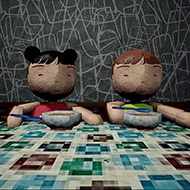




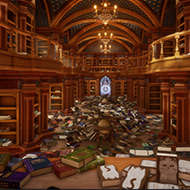


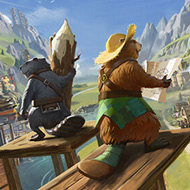

Indie Games provide an alternative path to traditional entertainment, emphasizing creativity, experimentation, and engagement over scale or brand recognition. Players are drawn to this category to explore experiences that prioritize artistic vision, unique mechanics, and thoughtful design. Unlike mainstream titles, Indie Games often offer intimate interactions, inviting players to experiment, observe, and shape their own experiences. Each title can feel personal, with small but meaningful details that enrich the gameplay and keep players returning for discovery.
The Core of Indie Games
Indie Games are defined by their independence from large studios or corporate influence. This independence allows developers to focus on creative ideas and unconventional approaches to gameplay. Players exploring this category will often encounter titles that highlight:
- Innovative mechanics designed around a single, well-developed concept.
- Unique visual styles that enhance the atmosphere and immersion.
- Focused narratives that emphasize player choice or emotional connection.
- Gameplay systems that reward exploration and experimentation.
By concentrating on these elements, Indie Games often create experiences that are memorable, thought-provoking, and distinct from mass-market releases. Each session is intended to feel meaningful, whether through solving puzzles, interacting with the environment, or uncovering hidden details.
Variety of Experiences Within Indie Games
One of the defining characteristics of Indie Games is their diversity. This category is not restricted to a single genre or style; instead, it encompasses a broad range of experiences. Players can switch between titles that focus on exploration, strategy, story, or even subtle artistic expression. Some games provide slow, contemplative experiences, while others offer quick challenges that test reflexes or critical thinking.
- Story-driven adventures where player choices shape the narrative and reveal multiple outcomes.
- Puzzle and logic games that encourage problem-solving and experimentation with mechanics.
- Action and skill-based challenges designed around innovative controls or environmental interactions.
- Relaxation or creative games that allow players to explore worlds, build systems, or experiment without pressure.
- Hybrid experiences that combine storytelling, strategy, and mechanics in unexpected ways.
This variety ensures that Indie Games remain a category where players can continuously find something fresh and engaging. The wide range of experiences caters to different moods, skills, and interests without requiring repetitive or formulaic gameplay.
Creative Design Choices
Design in Indie Games is often purposeful, with every element serving a specific role in the experience. Developers frequently focus on a small set of mechanics and explore them deeply, creating systems that are intuitive but allow for creative problem-solving. Players are encouraged to experiment, observe cause-and-effect relationships, and approach challenges in multiple ways. Key design features include:
- Minimalist mechanics that are easy to understand but provide depth when mastered.
- Environmental storytelling where the world itself communicates narrative or guides the player.
- Atmospheric design achieved through sound, visuals, and pacing rather than flashy graphics.
- Iterative challenges that reward experimentation rather than repeated trial and error.
These choices contribute to a gameplay experience that feels deliberate and rewarding. Players often find themselves noticing details that add layers of meaning to interactions and encourage repeated engagement.
Why Indie Games Appeal to Players
Indie Games attract players for several reasons beyond mechanics or visuals. The experiences are usually designed to provide a sense of discovery and accomplishment. Browsing this category feels like exploring a carefully curated collection of ideas, where each title offers something distinct. Players are often drawn to:
- Unique stories and character interactions that differ from mainstream titles.
- Opportunities to experiment with systems and mechanics without rigid constraints.
- Challenging but fair gameplay that rewards curiosity and attention.
- Opportunities for creative problem-solving that feel personal and engaging.
This approach makes Indie Games particularly appealing to players who enjoy thinking critically, exploring at their own pace, and finding hidden details or alternative paths in gameplay.
Exploration and Discovery
Exploration is central to many Indie Games. Rather than guiding players through a linear path, these titles often encourage observation, experimentation, and discovery. Hidden areas, unique interactions, and optional challenges reward curiosity. This design fosters a sense of personal achievement, as each player may uncover different aspects of the game world. Exploration can take many forms:
- Investigating environments to uncover hidden clues or story elements.
- Testing mechanics to find alternative solutions to challenges.
- Experimenting with character interactions to reveal different outcomes.
- Discovering subtle narrative elements or environmental details that enhance immersion.
The result is a category of games where players feel ownership over their journey, and each session provides opportunities to learn, adapt, and explore in unique ways.
Balancing Challenge and Accessibility
Indie Games often achieve a balance between accessibility and meaningful challenge. Many titles are approachable for new players, offering intuitive mechanics and clear objectives, while also including layers of complexity that appeal to more experienced players. Design elements that contribute to this balance include:
- Gradual introduction of mechanics to support learning without overwhelming the player.
- Clear feedback systems that guide improvement and encourage experimentation.
- Optional advanced challenges that reward mastery without blocking progress.
- Short or modular sessions that still deliver a sense of accomplishment.
This careful design ensures that Indie Games can reach a broad audience while maintaining depth and replay value.
The Creative Freedom of Indie Games
Ultimately, Indie Games showcase the power of creative freedom in game design. Developers are free to experiment with ideas that would be too risky for mainstream production, resulting in experiences that feel unique, engaging, and thoughtful. For players, this category offers a dependable space to discover original mechanics, compelling narratives, and innovative interactions. Whether seeking intellectual challenges, emotional stories, or experimental gameplay, Indie Games provide a category where exploration, creativity, and thoughtful design take center stage.
Choosing Indie Games means prioritizing experiences that emphasize intentional design, creative mechanics, and opportunities for discovery. Every title is an invitation to engage with something carefully crafted, offering sessions that feel rewarding, meaningful, and distinct from conventional gaming experiences.