
Retry Games









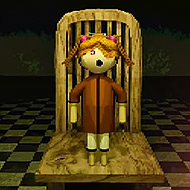
Retry Games focus on persistence, quick learning, and the satisfaction of trying again with better decisions. This category attracts players who enjoy short attempts, clear feedback, and constant progress through repetition. Retry Games reward attention, timing, and adaptation rather than long explanations, making them ideal for sessions where each new attempt feels meaningful and motivating.
What Makes Retry Games Different
Retry Games are built around repeated attempts where failure is part of the experience rather than the end of it. Each restart gives immediate knowledge about what went wrong and how to improve. The structure encourages experimentation without long waiting times, which keeps players engaged and curious about what happens on the next attempt.
In this category, progress often comes from mastering small details. Players learn movement patterns, timing windows, or environmental cues through practice. Retry Games appeal to people who enjoy seeing direct results from improved decision-making and steady refinement of their approach.
Core Features Players Expect
Several elements define Retry Games and help players recognize the category quickly. These features combine to create a satisfying loop that motivates repeated attempts without frustration.
- Fast restarts that allow immediate continuation after failure.
- Clear feedback showing what caused mistakes and what can be adjusted.
- Short attempt cycles that make experimentation feel efficient.
- Progress through skill rather than luck or long grinding systems.
- Simple goals that become deeper through practice and repetition.
Because Retry Games rely on clarity, players can focus on improvement instead of memorizing complex rules. This straightforward structure supports both casual visitors and highly competitive users who want to refine their performance.
Why Retry Games Keep Players Engaged
The main reason Retry Games remain popular is the strong sense of personal growth they create. Every attempt builds familiarity, and each small improvement feels earned. The challenge is usually fair and predictable, which encourages players to return after setbacks instead of leaving.
Retry Games also provide short emotional cycles. A quick failure is followed by a new attempt, preventing long pauses and keeping attention focused. Players often feel motivated by the idea that success is close and achievable with just one more try.
Another advantage is flexibility. Retry Games work well during short breaks because progress happens in small steps. Even a few minutes can be enough to learn something new and move forward.
Types of Experiences Found in Retry Games
While the category shares a common structure, Retry Games include different styles that appeal to varied preferences. Each style emphasizes repetition in a unique way while maintaining the same core loop.
- Precision challenges focused on timing and movement accuracy.
- Puzzle-based retry formats where logic improves with each attempt.
- Reaction-focused sessions testing awareness and quick decisions.
- Obstacle challenges that require memorizing patterns over time.
- Score-driven formats encouraging players to beat their previous results.
These variations allow Retry Games to stay fresh while preserving the familiar rhythm of trying, learning, and improving.
How Players Improve Over Time
Improvement in Retry Games is usually visible. Early attempts may feel chaotic, but consistency develops naturally as players recognize recurring situations. With each restart, reactions become faster and choices more confident.
Many players follow simple habits to grow their skills:
- Observe what caused failure instead of restarting immediately.
- Adjust one decision at a time rather than changing everything.
- Focus on consistency before aiming for speed or high scores.
- Take short pauses after difficult sequences to reset concentration.
Retry Games support gradual mastery, making progress feel organic rather than forced. The sense of control increases as players begin predicting outcomes instead of reacting randomly.
Design Elements That Support the Retry Loop
A strong Retry Games category relies on structure that respects players’ time. Clean layouts, readable goals, and consistent rules help maintain momentum. When players understand what happened and why, they are more likely to continue.
Good Retry Games avoid unnecessary interruptions between attempts. Smooth transitions and predictable patterns help maintain focus. The challenge should feel demanding but fair, encouraging persistence instead of frustration.
Sound cues, visual clarity, and steady pacing also contribute to the experience. These elements guide attention and help players identify mistakes quickly.
Who Enjoys Retry Games the Most
Retry Games attract a wide audience because the format adapts to different skill levels. Some players enjoy relaxed repetition, while others chase perfect execution. The shared appeal comes from the clear relationship between effort and improvement.
- Players who like measurable progress.
- Users who enjoy short, focused sessions.
- People who prefer skill-based challenges over random outcomes.
- Competitive minds aiming to improve personal results.
- Visitors looking for quick but meaningful interaction.
Because Retry Games rely on personal growth, they naturally encourage repeated visits without requiring long-term commitment.
Tips for Getting the Most Out of Retry Games
To fully enjoy Retry Games, players benefit from approaching each attempt as a learning opportunity rather than a final test. Small adjustments often lead to noticeable results, and patience plays an important role in long-term improvement.
Helpful strategies include:
- Stay calm after mistakes and restart with a clear goal.
- Watch patterns carefully before rushing forward.
- Practice difficult sections repeatedly instead of avoiding them.
- Celebrate small improvements to maintain motivation.
Retry Games reward consistency more than speed. Players who focus on stable progress usually find success faster than those who push too hard from the beginning.
Why Retry Games Fit Modern Play Habits
Many players prefer experiences that offer instant engagement without long setup or complex learning curves. Retry Games match this expectation perfectly by providing quick access to action and clear objectives. The format supports both short visits and longer sessions depending on player mood.
Since Retry Games emphasize practice and improvement, they create a natural reason to return. Every attempt offers a new opportunity to refine skills and achieve better results. This balance between challenge and accessibility keeps the category relevant and enjoyable for a wide range of users.
Retry Games stand out because they transform repeated attempts into meaningful progress. Through fast restarts, clear feedback, and steady learning, players stay motivated to keep improving. This category delivers focused challenges that reward persistence and attention, making Retry Games a reliable choice for users who enjoy growth through practice and consistent effort.