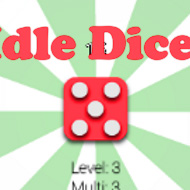
Idle Dice centers on gradual progress driven by probability management and incremental upgrades. The experience revolves around observing outcomes, adjusting priorities, and deciding when to intervene. Idle Dice allows players to step back while systems unfold, yet meaningful input remains essential for efficient advancement.
Dice Mechanics and Outcome Control
The foundation of Idle Dice is built on repeated rolls that generate resources over time. While outcomes rely on chance, the game introduces multiple layers of control that allow players to influence efficiency and stability. Understanding how modifiers interact with base values is key to maintaining steady growth.
- Roll frequency determines income flow
- Value multipliers increase long-term output
- Probability adjustments reduce volatility
Upgrade Paths and Priority Choices
Idle Dice offers parallel upgrade routes that compete for limited resources. Some upgrades boost short-term gains, while others enhance long-term consistency. Choosing the right balance prevents stagnation and reduces reliance on favorable rolls.
- Base dice enhancement
- Automation efficiency boosts
- Scaling bonuses for extended sessions
Automation and Active Intervention
Although Idle Dice continues progression automatically, manual decisions significantly affect results. Timely adjustments to upgrade allocation and roll timing improve overall performance and reduce wasted cycles.
- Manual boosts accelerate slow phases
- Timed upgrades stabilize growth
- Reset mechanics amplify future runs
Common Questions About Progress Speed
Players often ask whether faster advancement is possible. Idle Dice rewards consistency rather than constant interaction. Efficient progress comes from aligning upgrades with current output rather than spreading resources thinly.
Idle Dice emphasizes balance between automation and choice. By combining probability awareness with structured upgrades, the game creates a system where progress feels measured, predictable, and responsive to informed decisions.