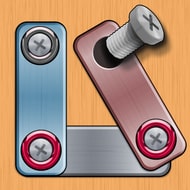
Nuts And Bolts is a brain-teasing puzzle game where players construct functional machines from a set of mechanical parts. Each level presents a distinct objective that can only be completed by correctly combining elements such as gears, rods, joints, and connectors. Instead of relying on speed or reflexes, the game focuses on reasoning, experimentation, and understanding how mechanical systems behave when set in motion. Every completed structure feels like a small invention brought to life through logic and creativity.
Building Functional Mechanisms
The core experience of Nuts And Bolts revolves around assembling working systems that respond correctly to input and movement. Players must analyze each part’s role and decide how it contributes to the overall mechanism. A single connection can determine whether a design succeeds or fails, making careful placement essential. As levels progress, the complexity of required solutions increases, encouraging more thoughtful and structured planning.
- Identify Mechanical Roles: Each component has a specific function within the system.
- Control Movement Flow: Ensure motion transfers smoothly from one part to another.
- Plan Before Assembly: Visualizing the final mechanism helps avoid mistakes.
- Iterate Designs: Adjusting layouts is key to improving performance.
Evolving Puzzle Complexity
As players advance through Nuts And Bolts, puzzles gradually shift from simple setups to multi-layered constructions. Later stages may require synchronized movement, precise timing, or balancing multiple forces at once. This steady increase in difficulty encourages players to refine their thinking and develop more efficient solutions over time.
Many levels allow more than one valid approach, rewarding creativity and experimentation. This flexibility ensures that each solution feels personal and encourages replaying stages to discover alternative builds.
Common Design Pitfalls
New players often encounter difficulties not because the puzzles are unfair, but because mechanical thinking requires a different mindset. Recognizing typical mistakes can greatly improve progress and reduce frustration.
- Overbuilding Systems: Too many parts can create instability or failure points.
- Ignoring Alignment: Slight positioning errors can block movement entirely.
- Weak Structural Balance: Unstable designs may collapse under motion.
- Rushing Construction: Careful observation leads to better results than speed.
Effective Approaches for Success
To perform well in Nuts And Bolts, players should adopt a methodical and thoughtful approach. Rather than randomly placing components, it is more effective to break the problem into smaller steps and build gradually toward the final solution. Observing how each change affects the system helps refine the design efficiently.
- Begin with Core Function: Focus on what the mechanism must achieve first.
- Build in Layers: Add complexity only after the base system works.
- Reduce Unnecessary Parts: Simpler designs are often more reliable.
- Learn from Testing: Each failed attempt reveals useful information.
Why It Feels Rewarding
Nuts And Bolts stands out because it transforms problem-solving into an interactive experience. Every working machine reflects the player’s logic and creativity, offering a strong sense of accomplishment. Watching a carefully built system operate as intended is both satisfying and motivating, encouraging players to keep experimenting and improving their designs.
With its focus on experimentation, structured thinking, and mechanical creativity, Nuts And Bolts delivers an engaging puzzle experience that continuously challenges the mind while rewarding patience and ingenuity.