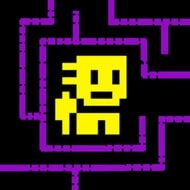
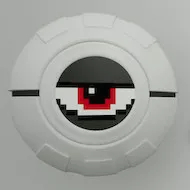
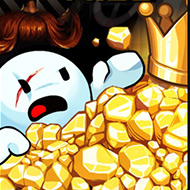
Tomb of the Mask looks like a cute pixel-art maze crawler, but it plays like a race against a tide that never stops rising, in a game that punishes hesitation more than it punishes mistakes. Swipe a direction and your character slides until it hits a wall — no stopping halfway, no careful tiptoeing — and the entire climb up the tomb’s vertical maze is built on that one uncompromising rule.
Sliding Until Something Stops You
The movement system is the single biggest thing to understand before anything else clicks: swipe or press a direction and your character commits fully, sliding in a straight line until it collides with a wall, obstacle, or edge of the maze. There’s no fine-tuned positioning, no half-steps. Every input is a full commitment, which means reading the maze layout before moving matters far more than reacting quickly once you’re already sliding — by the time you see a hazard mid-slide, it’s usually too late to change course.
The Tide That Never Waits
Underneath the pixel-art charm is a genuinely relentless pressure system: a rising tide climbs up from the bottom of the screen continuously, and letting it catch you ends the run immediately. This is what turns Tomb of the Mask from a leisurely puzzle maze into something closer to a climbing race — you can’t sit still to plan out a perfect route, because the tide is already closing the distance while you think.
Masks: Sponge, Robin, and Black
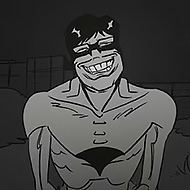
The game’s title comes from its central collectible system — masks found and worn through the maze, each with its own distinct ability. The Sponge mask, the Robin mask, and the Black mask are among the named options players unlock and equip, each changing how you interact with hazards, coins, or the tide itself depending on which one is active. Choosing a mask before a run is a real decision, not a cosmetic one, since the right mask for a given maze layout can make an otherwise brutal section noticeably more manageable.
Shields, Magnets, and Freezing Time
Beyond masks, a handful of power-ups appear scattered through the maze to help offset the tide’s constant pressure. A shield absorbs a collision that would otherwise end the run, buying a small margin for error on a section you misjudged. A magnet pulls in nearby coins and dots automatically, saving precious seconds you’d otherwise spend routing toward them individually. A freeze power-up immobilizes enemies temporarily, turning a section that would normally require careful timing into a brief window of safe, uncontested movement.
- Shield power-ups that absorb one otherwise-fatal collision
- Magnets that auto-collect nearby coins and dots
- Freeze effects that stop enemies from moving temporarily
- Named masks — Sponge, Robin, Black — that each change how a run plays out
Coins, Gems, and What They’re Worth Chasing
Coins and gems are scattered throughout every maze, and chasing them adds a real risk-reward tension against the rising tide — every detour to grab a cluster of coins is time the tide spends closing in. Gems in particular tend to be positioned in slightly riskier spots than plain coins, rewarding players willing to gamble a few extra seconds of tide pressure for a bigger payout.
Climbing a Maze That Only Goes Up
Structurally, the mazes always push you upward, away from the rising tide below, which gives every level a consistent sense of direction even as the layouts themselves get more elaborate. Later mazes stack tighter turns, more enemies, and narrower safe paths, all while the tide’s baseline pace stays just fast enough that a wrong slide near the bottom of the screen can end a run that was otherwise going well.
What Beginners Get Wrong About Momentum
New players consistently misjudge the slide-until-wall movement, expecting to be able to stop or adjust mid-slide the way most maze games allow. Tomb of the Mask doesn’t offer that flexibility, and the fix is entirely about reading ahead — glancing at where a slide will actually end before committing to the input, rather than reacting to what’s directly in front of you the moment you move.
Why the Tide Divides Players
The constant tide pressure is the most debated part of the game. Some players find it the perfect engine for urgency, turning every maze into a tense, momentum-driven sprint. Others feel it undercuts the puzzle-solving satisfaction of the maze itself, since there’s rarely time to stop and fully plan a route the way a slower puzzle game would allow. Both reactions are common enough that the tide is consistently the first thing brought up in any discussion of the game’s design.
Questions About Playing Tomb of the Mask
- Can I stop mid-slide if I see danger ahead? No — once you commit to a direction, your character slides until it hits something, so avoiding danger means reading the maze before you move, not reacting mid-slide.
- What do the different masks actually change? Named masks like Sponge, Robin, and Black each grant different abilities affecting hazards, coins, or how you interact with the tide, so switching masks between runs can noticeably change your approach to a maze.
- Is it worth detouring for coins and gems with the tide rising? It’s a genuine risk-reward call — gems especially tend to sit in riskier spots, so chasing them only makes sense when you’re confident the detour won’t cost you the run.
Tomb of the Mask never lets its pixel-art charm soften the pressure underneath it, and that combination is exactly why it holds up past a first few mazes. Every slide is a small, irreversible bet against a tide that isn’t interested in waiting for you to get it right.